The Five Drinks That Can Be Harmful to Your Bones When Consumed in Excess
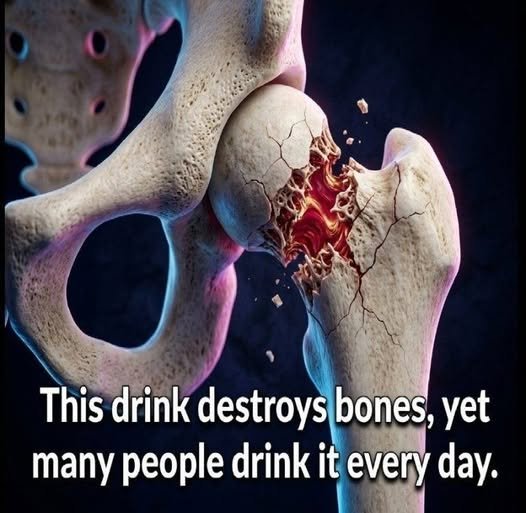
A viral image claims that one particular drink can “destroy your bones.” The reality is more nuanced: no ordinary beverage suddenly destroys healthy bones, but certain drinks may contribute to poorer bone health when consumed frequently or in large amounts.
Bone strength depends on many factors, including calcium and vitamin D intake, physical activity, age, hormones, smoking, alcohol consumption, and overall diet. (Bone Health & Osteoporosis Foundation)
Here are five types of drinks worth keeping in moderation.
1. Cola and Other Sugary Soft Drinks
Cola is one of the beverages most often discussed in relation to bone health. Some studies have found an association between frequent cola consumption and lower bone mineral density, although this does not prove that cola directly causes osteoporosis. (PubMed)
Colas may contain caffeine and phosphoric acid, and frequent soft-drink consumption can also replace more nutritious beverages such as milk or calcium-fortified drinks.
Importantly, carbonation itself does not destroy bone. The Bone Health & Osteoporosis Foundation specifically notes that carbonation is not responsible for bone loss. (Bone Health & Osteoporosis Foundation)
2. Sugar-Sweetened Soft Drinks
Regular sodas and other sugar-sweetened beverages can contribute to an overall diet that is less supportive of bone health.
A systematic review and meta-analysis involving more than 124,000 participants found an inverse association between sugar-sweetened beverage consumption and bone mineral density in adults. However, these studies are largely observational, so they cannot establish that the beverages themselves directly cause bone loss. (PubMed)
The bigger concern is frequent consumption replacing nutrient-rich foods and drinks.
3. Very High-Caffeine Beverages
Coffee, tea, cola, and energy drinks can all contain caffeine. Caffeine can slightly reduce calcium absorption, particularly when intake is high and calcium intake is inadequate. (Bone Health & Osteoporosis Foundation)
That doesn’t mean you need to stop drinking coffee.
For most people, the more important approach is to avoid excessive caffeine and make sure you’re getting enough calcium through your overall diet.
4. Energy Drinks
Energy drinks can contain substantial amounts of caffeine and added sugar. Consuming them frequently can make it harder to maintain a balanced diet and may contribute to excessive caffeine intake.
They shouldn’t be considered a substitute for calcium-rich beverages or nutritious foods.
If you regularly consume energy drinks, checking the caffeine and sugar content on the label is a simple way to keep track of your intake.
5. Excessive Alcohol
Heavy alcohol consumption is clearly relevant to bone health. The Bone Health & Osteoporosis Foundation lists excessive alcohol consumption as a controllable risk factor for osteoporosis and recommends limiting alcohol intake. (Bone Health & Osteoporosis Foundation)
This doesn’t mean that having an occasional alcoholic drink automatically damages your bones. The concern is regular heavy consumption.
What About Sparkling Water?
This is an important myth to clear up.
Plain carbonated water does not “leach calcium from your bones.” The carbonation itself has not been shown to cause bone loss, and some mineral waters can actually provide calcium. (Bone Health & Osteoporosis Foundation)
The concern is more about the type of beverage—particularly sugary or caffeinated soft drinks—and what they replace in the diet.
What Should You Drink for Stronger Bones?
For everyday hydration, water is an excellent choice.
Depending on your diet and nutritional needs, milk or calcium-fortified alternatives can also help provide calcium. Getting adequate calcium and vitamin D, together with weight-bearing and muscle-strengthening exercise, is much more important than avoiding every caffeinated or carbonated drink. (Bone Health & Osteoporosis Foundation)
For adults, the Bone Health & Osteoporosis Foundation recommends approximately 1,000 mg of calcium daily for adults under 50 and 1,200 mg for adults 50 and older, although individual needs can vary. (Bone Health & Osteoporosis Foundation)
The Bottom Line
There isn’t a scientifically established list of five drinks that automatically “destroy bones.” The evidence points more toward excessive consumption of cola, sugary soft drinks, high amounts of caffeine, energy drinks, and alcohol as habits worth reconsidering.
The goal isn’t to fear a single drink. It’s to maintain a diet that provides enough calcium and vitamin D, stay physically active, avoid smoking, and keep alcohol and highly processed sugary beverages in moderation. (Bone Health & Osteoporosis Foundation)