✨ How to Make Your Jewelry Shine Again: A Simple Cleaning Method
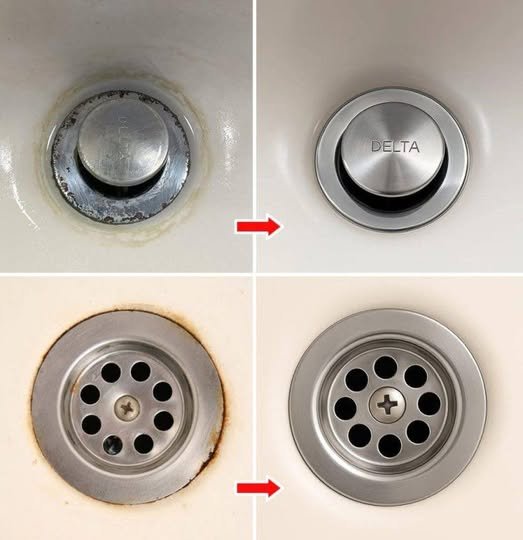
Over time, jewelry can lose its shine because of oil, sweat, lotion, dust, soap residue, and everyday exposure to air. Fortunately, many pieces can be cleaned at home with a few simple supplies.
But before trying a viral cleaning trick, remember that not every type of jewelry should be cleaned the same way. Gold, silver, plated jewelry, pearls, and gemstones can require different care.
💍 A Simple Method for Everyday Jewelry
What You’ll Need
A bowl of lukewarm water
A few drops of mild dishwashing liquid
A very soft toothbrush
A clean microfiber or soft cloth
Step 1: Prepare the Solution
Fill a small bowl with lukewarm—not boiling—water and add a few drops of mild dish soap.
Mix gently.
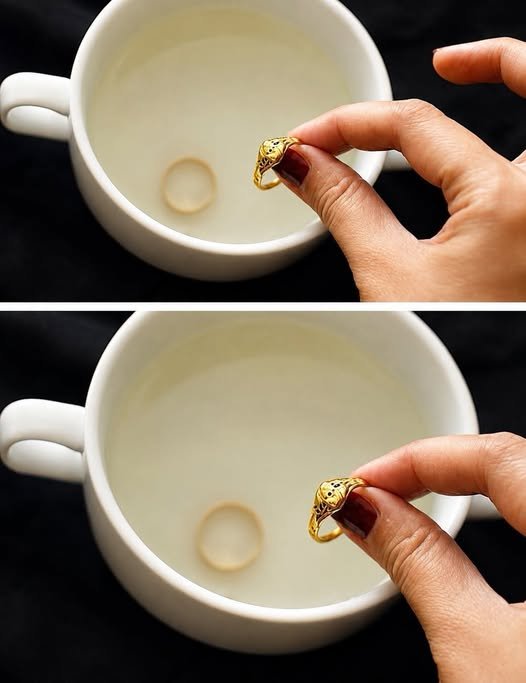
Step 2: Soak the Jewelry
Place suitable jewelry in the solution for about 5–10 minutes.
This helps loosen oils and dirt that have accumulated on the surface.
Important: Don’t soak jewelry with delicate or porous materials such as pearls, opals, turquoise, or certain glued settings unless the manufacturer specifically says it is safe.
Step 3: Gently Brush
Use a very soft toothbrush to carefully clean around the setting and underneath the stone.
Don’t scrub aggressively. Delicate plating and softer gemstones can be scratched or damaged.
Step 4: Rinse Thoroughly
Rinse with clean lukewarm water, preferably over a bowl rather than directly over an open drain.
Step 5: Dry and Polish
Pat the jewelry dry with a soft cloth and allow it to dry completely.
A jewelry polishing cloth can provide additional shine when appropriate for the metal.
🥄 What About Baking Soda?
You’ll often see recipes online using baking soda, toothpaste, vinegar, lemon juice, or other household ingredients.
These aren’t universally safe.
For example, abrasive powders or toothpaste can scratch some metals and gemstones, while acidic ingredients can damage certain materials. Silver-plated jewelry can also lose its finish if cleaned too aggressively.
For valuable, antique, plated, or gemstone jewelry, it’s safer to use a cleaning method specifically recommended for that piece.
🩶 If Your Silver Jewelry Is Tarnished
Sterling silver develops a dark coating called tarnish as it reacts with substances in the environment.
A silver-polishing cloth or a product specifically designed for sterling silver is usually a better choice than aggressively scrubbing the piece.
And remember: some silver jewelry is intentionally oxidized to create a darker appearance. Heavy polishing can remove that finish.
⚠️ A Few Things to Avoid
Don’t use the same cleaning method on every piece of jewelry.
Be particularly careful with:
Pearls
Opals
Turquoise
Emeralds
Soft or porous gemstones
Costume jewelry
Gold-plated jewelry
Antique pieces
Jewelry containing glued stones
If a piece is valuable or has sentimental importance, professional cleaning is often the safest option.
✨ The Bottom Line
You don’t need an expensive cleaning routine to refresh many everyday jewelry pieces. Lukewarm water, a little mild dish soap, gentle brushing, and careful drying can remove ordinary surface dirt and restore some of the shine.
The key is to identify the metal and stones first—because a method that works beautifully on one piece can damage another.
Have you ever used a homemade jewelry-cleaning trick that actually worked? 💍✨