4 Alarming Symptoms of Vitamin B12 Deficiency You Shouldn’t Ignore
Vitamin B12 plays an important role in maintaining healthy red blood cells, DNA, and the nervous system. A deficiency can develop gradually, and some symptoms may be easy to mistake for stress, aging, poor sleep, or other common conditions. (Bureau des Suppléments Alimentaires)
Here are four warning signs worth paying attention to:
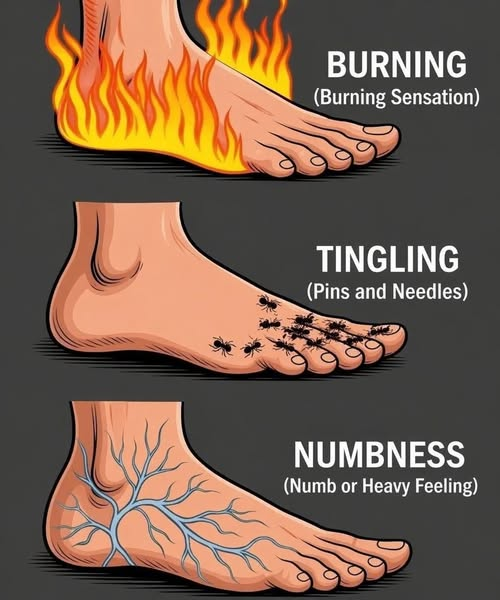
1. Persistent numbness or tingling
A “pins and needles” feeling, burning sensation, or numbness in the hands or feet can occur when B12 deficiency begins affecting the nervous system. These neurological symptoms can sometimes occur even without anemia. (Bureau des Suppléments Alimentaires)
2. A sore, red, or unusually smooth tongue
Vitamin B12 deficiency can cause glossitis, in which the tongue becomes sore, red, swollen, or unusually smooth. Mouth soreness or ulcers may also occur. (Bureau des Suppléments Alimentaires)
3. Unexplained tiredness and weakness
Fatigue, low energy, and muscle weakness can occur because B12 deficiency can interfere with normal red blood cell production and lead to megaloblastic anemia. (Bureau des Suppléments Alimentaires)
4. Balance, memory, or concentration problems
B12 deficiency can affect the nervous system and may be associated with balance or coordination difficulties, memory problems, confusion, and changes in vision. (Bureau des Suppléments Alimentaires)
Who may be at higher risk?
A deficiency isn’t always caused by simply eating too little B12. Problems absorbing the vitamin can also contribute. Risk can be higher with certain gastrointestinal conditions or surgeries, pernicious anemia, and prolonged use of some medications, including metformin and proton-pump inhibitors. People following a vegan diet who don’t use fortified foods or supplements can also be at risk. (Bureau des Suppléments Alimentaires)
How is B12 deficiency diagnosed?
These symptoms do not prove that you have a B12 deficiency because many other conditions can cause them. A healthcare professional can evaluate your symptoms and use blood tests to check vitamin B12, folate, and blood-cell measurements. Additional testing such as methylmalonic acid may sometimes help clarify the diagnosis. (Bureau des Suppléments Alimentaires)
Vitamin B12 is naturally found in foods such as fish, meat, poultry, eggs, milk, and other dairy products, while some cereals and other foods are fortified with B12. (Bureau des Suppléments Alimentaires)
Final takeaway
If you repeatedly experience tingling or numbness, a sore red tongue, persistent fatigue, or unexplained balance and memory problems, don’t simply assume it’s part of getting older. B12 deficiency is treatable, but neurological problems can sometimes become permanent when deficiency remains untreated for a long time. (nhs.uk)
If these symptoms are persistent, discuss them with a healthcare professional and consider appropriate blood testing rather than starting high-dose supplements based only on symptoms.