8 Habits You Should Stop This Year If You Are Taking Amlodipine – And Why
One of the most important rules is not to stop amlodipine on your own.
High blood pressure often has no noticeable symptoms, even when it is damaging blood vessels and organs. Amlodipine controls blood pressure but does not cure hypertension, so treatment generally needs to continue as prescribed. (nhs.uk)
If you think your dose is too strong or you’re experiencing side effects, talk with your doctor or pharmacist rather than stopping suddenly.
2. Don’t Ignore Persistent Dizziness
Amlodipine can cause dizziness or lightheadedness, particularly in some people when blood pressure becomes too low. It can also cause tiredness or sleepiness. (nhs.uk)
If you regularly feel dizzy, especially when standing up, don’t simply assume you need to “get used to it.” Have your blood pressure checked and discuss the symptoms with your healthcare professional.
3. Be Careful With Grapefruit
The NHS advises avoiding grapefruit and grapefruit juice while taking amlodipine because they may increase the chance of side effects. (nhs.uk)
If grapefruit is part of your regular diet, ask your pharmacist whether you should avoid it based on the specific amlodipine product and your other medications.
4. Don’t Drink Large Amounts of Alcohol
Alcohol can increase the blood-pressure-lowering effect of amlodipine and make dizziness or low blood pressure more likely. (nhs.uk)
If you drink alcohol, moderation is important. If you already experience dizziness or low blood pressure, discuss alcohol use with your healthcare professional.
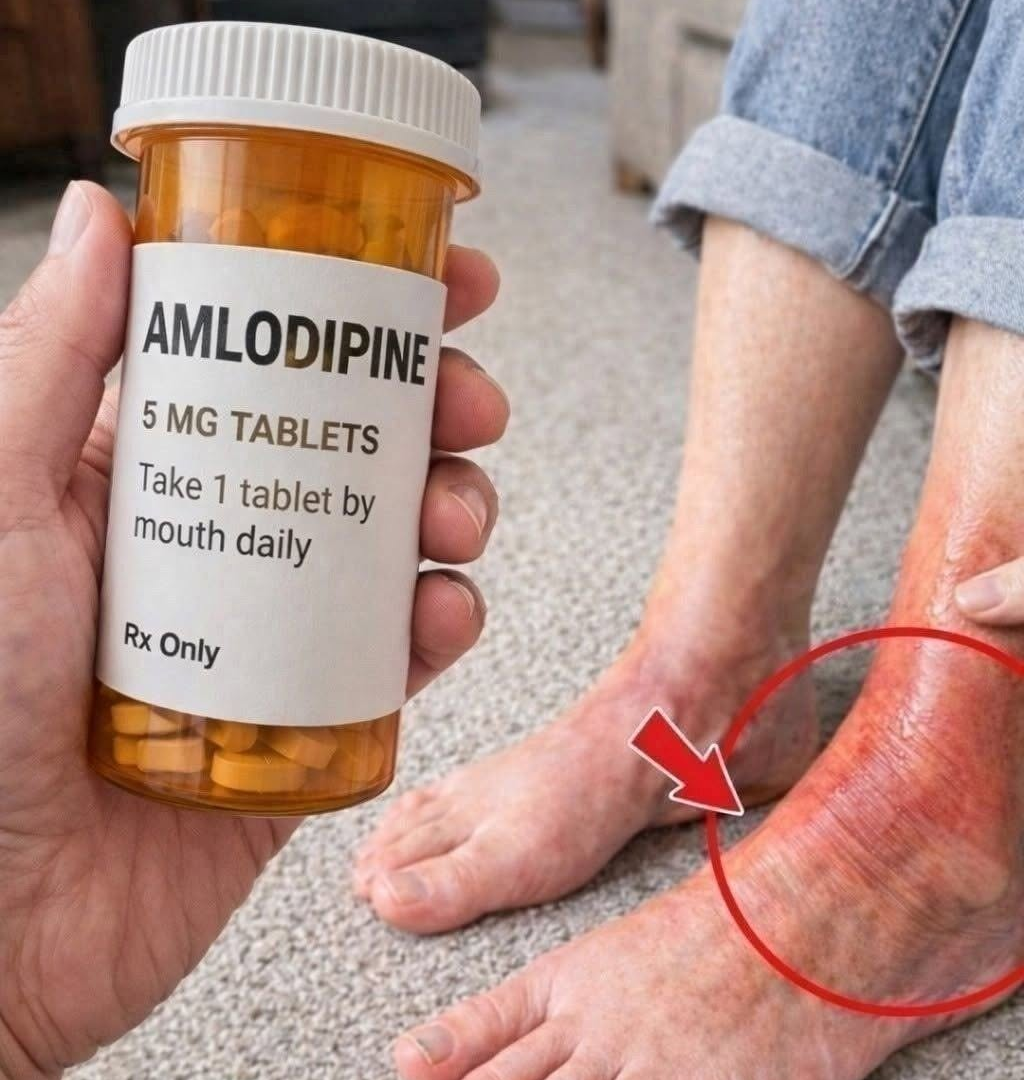
5. Don’t Ignore Swollen Ankles
Swelling of the ankles, feet, or lower legs is one of the more common side effects of amlodipine. (nhs.uk)
Don’t automatically stop the medication because of swelling. Instead, tell your doctor or pharmacist. They can determine whether amlodipine is responsible and whether your treatment needs adjustment.
6. Don’t Take Supplements or Herbal Remedies Without Checking
“Natural” does not automatically mean interaction-free.
Amlodipine can interact with some medicines and herbal products. The NHS specifically lists St John’s wort, certain antibiotics and antifungals, some HIV medicines, immunosuppressants, and other blood-pressure medicines among products that may interact with it. (nhs.uk)
Always tell your doctor or pharmacist about vitamins, supplements, and herbal remedies you’re taking.
7. Don’t Make NSAID Painkillers a Regular Habit Without Advice
Common painkillers such as ibuprofen and naproxen belong to a group called NSAIDs. NSAIDs can raise blood pressure in some people and can cause other important complications, particularly with prolonged use. (MedlinePlus)
If you regularly need pain medication while being treated for hypertension, ask your pharmacist or doctor which option is appropriate for you.
8. Don’t Neglect the Lifestyle Habits That Help Control Blood Pressure
Amlodipine works best as part of an overall blood-pressure management plan.
Helpful habits include:
Limiting excess sodium
Eating a balanced, heart-healthy diet
Maintaining a healthy weight
Exercising regularly
Not smoking
Keeping alcohol moderate
Monitoring your blood pressure as recommended (MedlinePlus)
Medication and lifestyle changes work together; taking a tablet doesn’t make the other habits irrelevant.
What About Taking Amlodipine With Food?
Amlodipine can generally be taken with or without food, and it is usually taken once daily at approximately the same time each day. Follow the instructions on your prescription and medication leaflet. (nhs.uk)
When Should You Get Medical Help?
Contact a healthcare professional if side effects are persistent or troublesome, particularly significant swelling, dizziness, or weakness.
Seek urgent medical attention for symptoms such as fainting, severe or worsening chest pain, or a rapid, pounding, or irregular heartbeat. (MedlinePlus)
The Bottom Line
Taking amlodipine safely isn’t about following a long list of frightening restrictions. It’s mainly about taking it consistently, avoiding known interactions, monitoring side effects, and maintaining habits that support healthy blood pressure.
Most importantly, don’t change or stop your prescribed dose without speaking with the clinician who prescribed it. (nhs.uk)
If you’re taking other medications, supplements, or herbal products alongside amlodipine, a pharmacist can review the complete list and check for potential interactions.