Baking Soda on the Face: Benefits, Risks, and How to Use It Safely
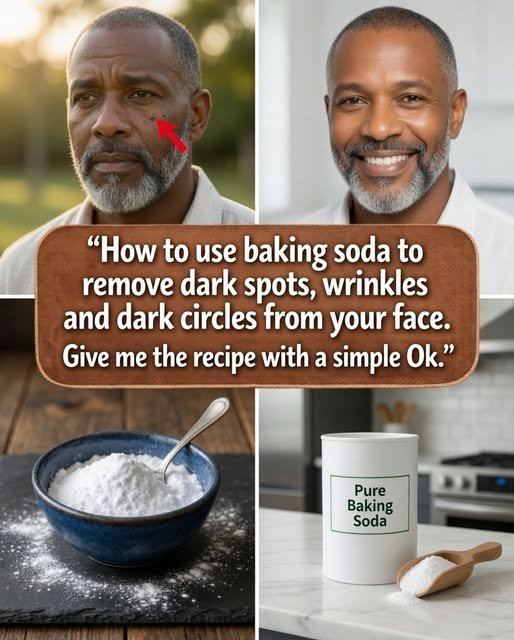
Baking soda is a common household ingredient, and social-media posts sometimes claim that applying it to the face can erase dark spots, wrinkles and dark circles. But there is an important distinction between a popular DIY remedy and a treatment that has been proven safe and effective.
Baking soda is not a proven treatment for wrinkles, dark spots or under-eye circles, and applying it directly to facial skin can cause irritation.
Why Do People Put Baking Soda on Their Face?
Baking soda, or sodium bicarbonate, is alkaline. Because it has a mild abrasive quality, some people use it as a homemade exfoliant or cleanser.
The problem is that healthy facial skin has a naturally acidic environment, with a pH around 5.5. Products that are too alkaline can disrupt the skin barrier and contribute to dryness, flaking, redness and irritation. (Cleveland Clinic)
That means the fact that baking soda is “natural” or inexpensive doesn’t automatically make it suitable for facial skin.
Can Baking Soda Remove Dark Spots?
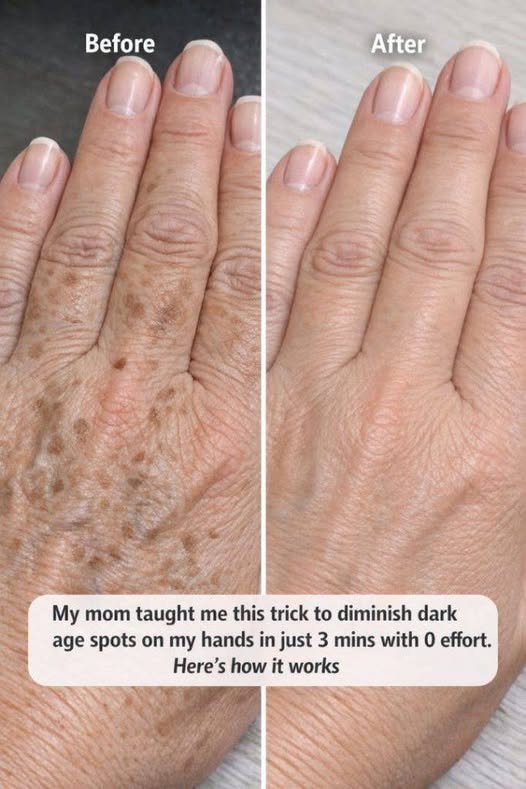
There is no good evidence that a homemade baking-soda paste safely removes age spots or other facial pigmentation.
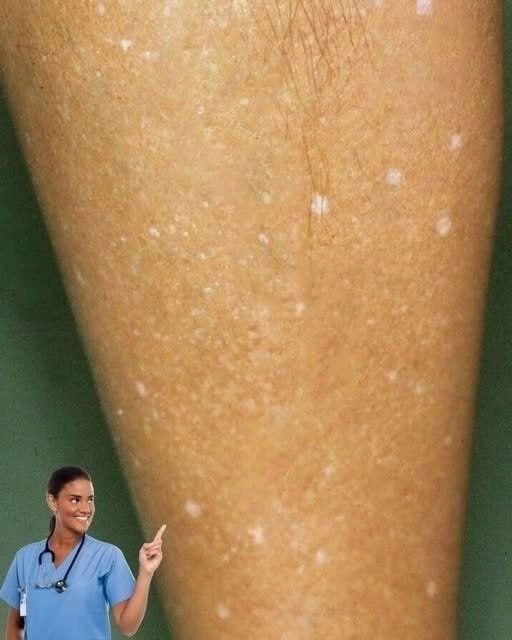
Dark spots can have different causes, including sun exposure, post-inflammatory hyperpigmentation, melasma and other skin conditions. Treating the underlying cause is more useful than aggressively scrubbing the skin.
Irritating the skin can actually make pigmentation more noticeable in some people.
What About Wrinkles?
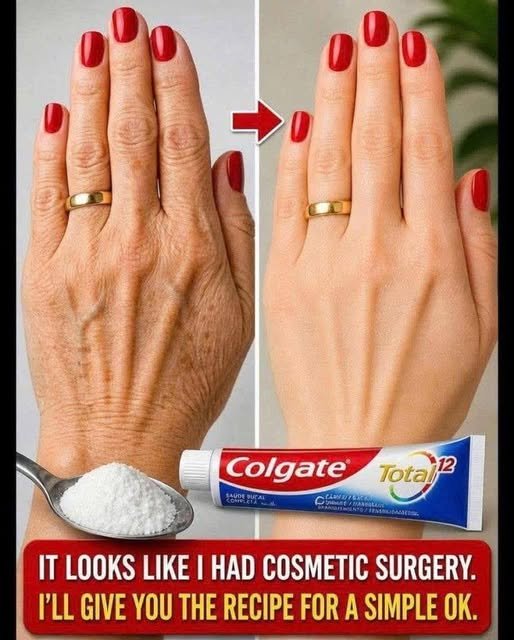
Baking soda cannot replace proven anti-aging ingredients such as sunscreen, retinoids or other dermatologist-recommended treatments.
Scrubbing the face with baking soda may temporarily make the surface feel smoother, but that is not the same as reducing wrinkles or rebuilding collagen.
Dermatologists generally recommend gentle cleansing rather than abrasive scrubbing because excessive irritation can damage the skin barrier. (Académie Américaine de Dermatologie)
Can It Remove Dark Circles?
Dark circles can have many causes, including genetics, thin skin, pigmentation, allergies, lack of sleep and the natural anatomy around the eyes.
The skin around the eyes is particularly delicate. Applying an alkaline or abrasive homemade mixture there can cause irritation, making the area look worse rather than better. (Académie Américaine de Dermatologie)
What Happens If You Apply Baking Soda to Your Face?
Possible reactions include:
Dryness
Burning or stinging
Redness
Flaking
Itching
Irritation
Worsening sensitivity
The American Academy of Dermatology warns that products containing baking soda can irritate or harm skin when used inappropriately. (Académie Américaine de Dermatologie)
A Safer Facial Routine
Instead of using baking soda as a facial treatment, dermatologists recommend keeping the routine simple:
Morning
Use a gentle, non-abrasive cleanser.
Apply a moisturizer appropriate for your skin.
Use broad-spectrum sunscreen.
Evening
Gently cleanse your face.
Apply a suitable moisturizer.
Use evidence-based treatments for pigmentation or wrinkles if recommended for your skin.
If you want to try any new skincare product, dermatologists recommend testing it on a small area first and watching for redness, itching or swelling. (Académie Américaine de Dermatologie)
What If You Already Used Baking Soda?
If your face feels irritated after applying it, rinse the product off gently with lukewarm water and avoid additional scrubbing or irritating products.
A bland moisturizer or petroleum jelly can help support the skin barrier. If you develop significant swelling, blistering, persistent burning or a severe rash, seek medical advice. (Académie Américaine de Dermatologie)
The Bottom Line
Baking soda is useful in the kitchen, but it is not a proven facial treatment for dark spots, wrinkles or dark circles. Because its alkalinity can disturb the skin’s natural environment and cause irritation, using it directly on the face—especially around the eyes—is not recommended as a DIY anti-aging treatment. (Cleveland Clinic)
For long-term skin health, gentle skincare and daily sun protection are much safer foundations than harsh homemade scrubs.