Beetroot Juice: What It Can—and Cannot—Do for Your Health
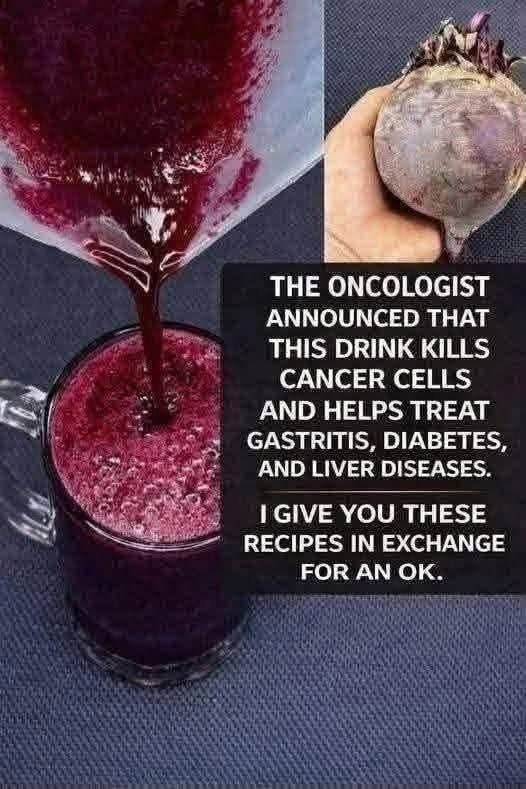
A deep red juice like the one shown in the viral post is most likely beetroot juice. Beetroot is a nutritious vegetable containing dietary nitrates and antioxidant compounds, but the claim that this drink “kills cancer cells” or treats diabetes and liver disease within 42 days is not supported by clinical evidence.
That distinction matters. A nutritious food can support a healthy diet without being a treatment or cure for a disease.
What Are the Potential Benefits of Beetroot Juice?
Beetroot contains naturally occurring nitrates, which the body can convert into nitric oxide. Nitric oxide plays an important role in blood-vessel function.
Research has found that beetroot juice can produce a modest reduction in blood pressure, particularly systolic blood pressure, in some people. A meta-analysis of randomized trials in people with hypertension found an average systolic reduction of about 5 mmHg compared with controls. (PubMed Central (PMC))
Beetroot also provides compounds such as betalains and other antioxidants, making it a useful addition to an overall healthy eating pattern.
Can Beetroot Juice Kill Cancer Cells?
There is no evidence that drinking beetroot juice kills cancer cells in the human body or cures cancer in 42 days.
Some beetroot compounds have been investigated in laboratory and experimental research, but laboratory effects should not be presented as proof that a juice can treat cancer in people.
Anyone receiving cancer treatment should not replace chemotherapy, radiation, surgery, immunotherapy or prescribed medication with a juice or other home remedy.
What About Diabetes?
Beetroot can be included in a balanced diet, but beetroot juice is not a proven treatment for diabetes.
Juice can also contain a considerable amount of naturally occurring sugar because much of the fruit or vegetable’s structure and fiber is removed during juicing. People with diabetes should consider the carbohydrate content and portion size rather than assuming that a “natural” juice will lower blood sugar.
Research into concentrated beetroot juice and glucose control is still developing, and it does not establish beetroot juice as a replacement for diabetes treatment. (PubMed Central (PMC))
What About Liver Disease?
There is currently no good evidence that drinking beetroot juice can cleanse, repair or cure liver disease.
The liver performs its own detoxification functions. If someone has fatty liver disease, hepatitis or another liver condition, the appropriate treatment depends on the specific diagnosis and cause.
A Simple Beetroot Juice Recipe
If you enjoy beetroot, you can make it as a nutritious beverage rather than as a supposed medical treatment.
Ingredients
1 medium beetroot, thoroughly washed and peeled
1 small apple
1 small carrot
½ lemon
½–1 cup cold water
Directions
Wash and prepare all the ingredients.
Chop the beetroot, apple and carrot into small pieces.
Blend with the water until smooth.
Add lemon juice.
Strain if you prefer a thinner drink, or keep the pulp for more fiber.
Drink fresh and keep the portion moderate.
A Few Things to Know Before Drinking It Regularly
Beetroot can temporarily turn urine or stool pink or reddish. This is called beeturia and is usually harmless.
Because beetroot juice may lower blood pressure, people taking blood-pressure medication should be cautious about consuming large amounts regularly and discuss it with their healthcare professional if they notice dizziness or unusually low readings. Research has demonstrated a blood-pressure-lowering effect in some study populations. (PubMed Central (PMC))
The Bottom Line
Beetroot juice can be a nutritious addition to a balanced diet and may modestly support blood-pressure control, but it is not a miracle cure.
There is no reliable evidence that it kills cancer cells, cures diabetes, repairs liver disease or produces these effects in exactly 42 days.
Use beetroot for what it is: a nutritious food—not a replacement for evidence-based medical treatment.