Don’t Be Fooled: Are They Really Selling You Something Other Than Ground Beef?
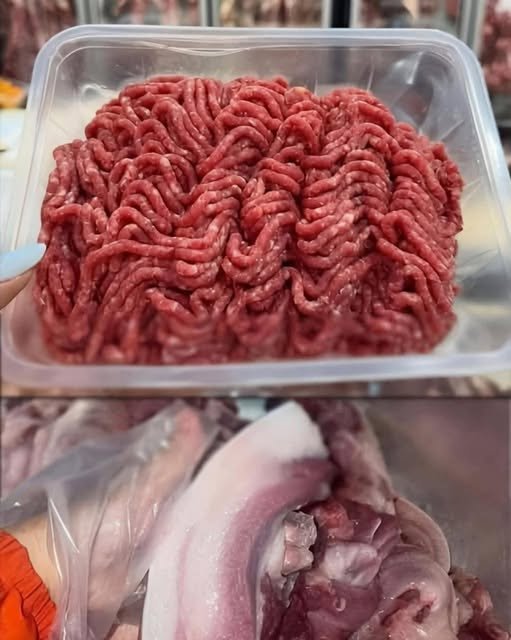
A photo circulating online shows a package of finely ground meat above what appears to be pieces of raw animal tissue. The accompanying message suggests that consumers are being tricked into buying something they did not expect.
But is that really what the picture proves?
Not necessarily.
The image alone cannot establish what the ground meat is made from, where it came from, or whether any organ meat was mixed into it. Food labeling rules are much more specific than viral social-media posts often suggest.
What Is Actually in Ground Beef?
In the United States, ground beef is generally made from beef trimmings and cuts of beef that are ground together. USDA explains that less-tender cuts and trimmings from other cuts can be used to make ground beef. (FSIS)
There are also limits on what can legally be called ground beef. For example, ground beef cannot contain added water, phosphates, extenders, or binders, and it cannot exceed 30% fat. (FSIS)
So the idea that ordinary ground beef is automatically made from mysterious leftover material is misleading.
What About Organ Meat?
This is where things get interesting.
Organ tissues such as liver, kidney, and spleen are not simply considered “meat” under USDA labeling definitions. If such by-products are present, they cannot simply be represented on a label as beef alone; they must be appropriately identified. (FSIS)
That means consumers should look at the actual package label rather than relying on a photograph or social-media caption.
What About Mechanically Separated Meat?
Another common claim is that ground meat is made by forcing bones and leftover tissue through machinery.
USDA does recognize a product called mechanically separated meat, which is produced by forcing bones with attached edible tissue through a sieve under high pressure.
However, there are important rules surrounding it. In the United States, mechanically separated beef is considered inedible and is prohibited for use as human food. Mechanically separated pork and poultry are subject to specific labeling requirements. (FSIS)
So the viral claim that regular U.S. ground beef is simply “bone paste” is not an accurate description of how the product is regulated.
Can You Tell What Meat Is in the Picture?
No.
The photograph may show raw beef, organ tissue, or other meat products, but a picture by itself cannot reliably identify the exact animal part or prove that the ground meat came from that material.
There is also no visible product label in the image providing information about the ingredients, processor, establishment, or inspection status.
That’s why it’s important to separate an attention-grabbing photograph from verified information.
How to Be a Smarter Meat Shopper
Instead of trusting a viral caption, check the package.
Look for:
The product name
The ingredient statement when applicable
The USDA inspection information
The establishment number, when applicable
The package date and safe-handling instructions
The fat percentage of ground beef
USDA notes that ground beef produced at a USDA-inspected establishment will have an establishment number on the package, generally shown as “EST.” followed by a number. (FSIS)
And Don’t Forget Food Safety
Regardless of how the meat looks, raw ground beef should be handled carefully.
USDA recommends cooking ground beef to an internal temperature of 160°F (71°C), measured with a food thermometer. Color alone is not a reliable way to determine whether ground beef is safely cooked. (FSIS)
Keep raw meat refrigerated, prevent its juices from contacting ready-to-eat foods, and wash your hands and surfaces after handling it.
The Bottom Line
The photograph certainly looks unusual, but it does not prove that consumers are being secretly sold organ meat as ordinary ground beef.
The safest approach is simple: don’t judge what’s inside a package from a viral photograph. Read the label, buy from reputable sources, and follow proper food-safety practices.
Before sharing a shocking food claim, ask one simple question:
“Where is the evidence?”
That small habit can save you from believing a lot of misleading food stories online. (FSIS)