Never Uproot This Plant If It Appears in Your Garden
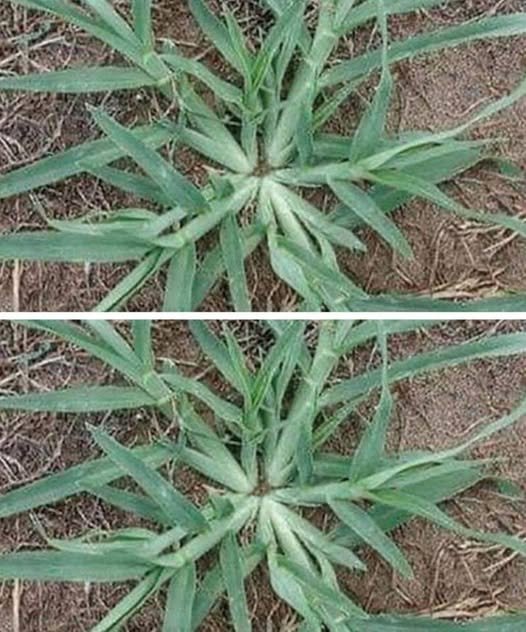
The plant shown in the photo appears to be goosegrass (Eleusine indica), also known as Indian goosegrass, crowfootgrass or wiregrass. Its low, spreading rosette and leaves radiating outward from a pale center are characteristic of this grass. However, a photo without flowers or seed heads is not enough for a completely certain identification. (Boîte à outils des plantes)
Despite the viral claim that you should never remove it, goosegrass is generally classified by agricultural and university extension services as a common, aggressive weed, particularly in gardens, lawns and compacted soils. It can produce thousands of seeds and compete with other plants. (Boîte à outils des plantes)
Why Does This Plant Get So Much Attention?
Goosegrass has been used in some traditional herbal practices, and research has investigated preparations made from Eleusine indica. But that does not mean the plant is a proven treatment for diabetes, kidney disease, inflammation or other medical conditions.
One study specifically examining teas made from medicinal plants including Eleusine indica concluded that the evidence surrounding medicinal use requires caution, particularly for people with diabetes. (PubMed)
So it is better not to treat this garden weed as a “miracle herb.”
How to Recognize Goosegrass
Look for several characteristic features:
Long, narrow green leaves
A low-growing, spreading or tufted shape
Leaves radiating outward from the center
A noticeable pale or whitish center
Flattened stems
A fibrous root system
Later in the season, distinctive finger-like seed heads
University extension references describe the pale center and radiating growth as useful clues when identifying goosegrass. (Boîte à outils des plantes)
Should You Keep It in Your Garden?
That depends on your goal.
If it is growing in a lawn, vegetable bed or around ornamental plants, there is no horticultural requirement to keep it. Goosegrass competes with desirable plants and can spread efficiently by seed. (Extension PSU)
If you simply enjoy observing wild plants, you can leave a small patch in an appropriate area—but prevent it from spreading into areas where you don’t want it.
What About Making Tea From It?
Although Eleusine indica appears in traditional herbal preparations, I wouldn’t recommend making a medicinal tea from an unidentified plant based only on a social-media photograph.
Plant identification needs to be certain before consuming any wild plant, and traditional use isn’t the same as proven medical treatment.
If you’re interested in using wild plants as food or tea, identify the species using a reliable botanical source and make sure the plant hasn’t been exposed to pesticides, herbicides, contaminated soil or roadside pollution.
A Safer Garden Approach
If you want to remove goosegrass:
Pull young plants before they produce seed.
Remove as much of the root system as practical.
Don’t allow mature plants to set seed.
Keep garden soil covered with appropriate mulch where suitable.
Maintain healthy, dense turf or desirable ground cover to reduce opportunities for weeds.
Young plants are easier to remove before their root systems become established. (Boîte à outils des plantes)
The Bottom Line
The plant in this image looks like goosegrass (Eleusine indica), but identification from this photograph alone isn’t definitive.
It isn’t a plant that you must preserve, and reputable horticultural sources generally classify it as a troublesome weed. While it has a history of traditional use, claims that it is a powerful medicinal cure should not be treated as established medical fact. (Boîte à outils des plantes)
If you find an unfamiliar plant in your garden, the safest rule is simple: identify it first, and don’t eat it just because a viral post says it’s beneficial.