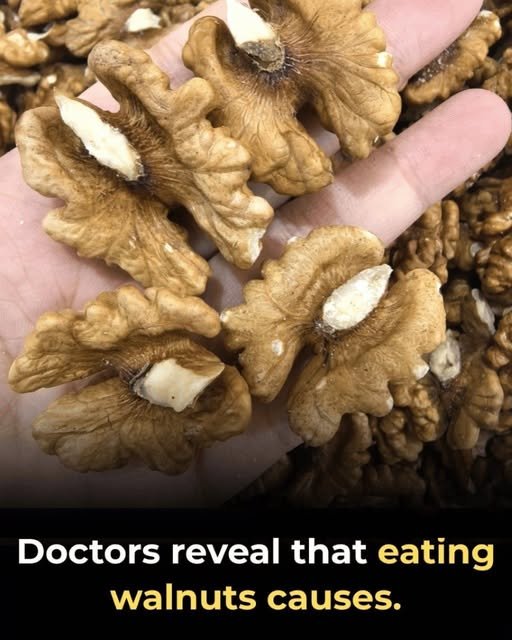
Walnuts are more than just a crunchy snack. They provide healthy unsaturated fats, plant-based omega-3 fatty acid (ALA), protein, fiber, vitamins, minerals, and other plant compounds.
Eating a moderate amount of walnuts regularly can be part of a heart-healthy eating pattern. Research has particularly focused on their potential effects on cholesterol and cardiovascular health. PubMed Central (PMC)
1. They May Support Heart Health
One of the best-studied benefits of walnuts is their relationship with blood cholesterol.
A systematic review and meta-analysis of controlled trials found that diets containing walnuts produced modest reductions in total cholesterol and LDL (“bad”) cholesterol compared with control diets. Triglycerides also decreased modestly in the analysis. PubMed Central (PMC)
Another systematic review of randomized controlled trials found similar reductions in total cholesterol, LDL cholesterol, and triglycerides among people consuming walnuts. PubMed Central (PMC)
These effects don’t mean walnuts can replace cholesterol medication or treat heart disease, but they can be a useful part of an overall healthy diet.
2. They Provide Plant-Based Omega-3 Fat
Walnuts are unusual among nuts because they’re particularly rich in alpha-linolenic acid (ALA), a plant-based omega-3 fatty acid.
They also contain polyunsaturated fats, fiber, minerals, and polyphenols. PubMed Central (PMC)
These nutrients are one reason walnuts are often included in Mediterranean-style and other heart-conscious eating patterns.
3. They Can Be Surprisingly Filling
Walnuts are energy-dense, meaning a relatively small amount provides quite a few calories.
At the same time, their combination of fat, protein, and fiber can make them satisfying. Research examining walnut-enriched diets has not found significant weight gain compared with control diets in clinical trials. PubMed Central (PMC)
The key is portion size.
A handful can be a reasonable snack; eating several handfuls every day can add a substantial amount of calories.
4. They May Help Improve Your Overall Diet
Replacing less nutritious snacks—such as highly processed sweets or salty snack foods—with a small serving of unsalted walnuts can improve the overall nutritional quality of a meal or snack.
Try adding walnuts to:
Oatmeal
Plain yogurt
Salads
Fruit
Whole-grain cereal
Homemade energy bites
Vegetable dishes
5. What About Blood Pressure?
Walnuts contain several nutrients associated with cardiovascular health, but the evidence doesn’t show that walnuts consistently produce a large reduction in blood pressure.
A recent 2026 systematic review of randomized trials found no significant overall effect on systolic or diastolic blood pressure, although some longer studies found a reduction in diastolic blood pressure. PubMed
So it’s better to think of walnuts as one component of a healthy diet rather than a treatment for high blood pressure.
How Many Walnuts Should You Eat?
A practical portion is around 1 ounce (28 grams), which is roughly a small handful.
You don’t necessarily need to eat walnuts every day to benefit from a healthy diet. If you enjoy them, a moderate serving can easily fit into your meals or snacks.
Choose plain or unsalted walnuts when possible, especially if you’re trying to reduce sodium intake.
Are There Any Downsides?
Walnuts aren’t suitable for everyone.
People with a tree-nut allergy should avoid them. Allergic reactions can potentially be serious.
Some people may also experience digestive discomfort if they suddenly eat large amounts of nuts because of their fat and fiber content.
And because walnuts are calorie-dense, portion size matters if you’re trying to manage your calorie intake.
Do Walnuts “Clean” Your Arteries?
You may see claims online that walnuts can “clean your arteries,” “reverse clogged arteries,” or prevent heart attacks.
Those claims go too far.
Research supports beneficial effects on certain cardiovascular risk factors, particularly blood lipids, but walnuts should not be presented as a way to physically clean or unclog arteries. PubMed Central (PMC)
The Best Way to Eat Them
For a simple everyday snack, try:
A small handful of unsalted walnuts + fruit + plain yogurt.
Or sprinkle chopped walnuts over oatmeal, a salad, or roasted vegetables.
This gives you a combination of healthy fats, protein, fiber, and other nutrients without turning walnuts into a “miracle food.”
The Bottom Line
Eating walnuts regularly can provide valuable nutrients and may help improve cholesterol levels, particularly LDL cholesterol, when incorporated into a healthy overall diet. PubMed Central (PMC)
But walnuts aren’t a cure-all. You don’t need enormous amounts to get nutritional benefits, and eating more isn’t necessarily better.
A small handful of plain walnuts can be a simple, nutritious addition to a balanced diet.
This article is for general educational purposes and isn’t a substitute for individualized medical or dietary advice.