11 Signs Your Body May Be Telling You Something Important
Your body can sometimes provide clues that something has changed with your health. A new bruise, an unusual change in your tongue, persistent fatigue, or unexplained swelling may be worth paying attention to.
However, these signs do not automatically mean you have a serious illness. Many have harmless explanations, while others may need medical evaluation depending on how long they last, how severe they are, and whether other symptoms occur.
Here are 11 changes to notice, what they might mean, and when to seek professional advice.
1. Unexplained Bruising
Bruises develop when small blood vessels beneath the skin break and leak blood into surrounding tissue. They commonly occur after minor bumps that you may not remember.
However, frequent bruising without an obvious injury can sometimes be associated with medication effects, low platelet counts, or problems affecting blood clotting.
When to seek advice: Consult a healthcare professional if you develop repeated unexplained bruises, unusually large bruises, or bruising accompanied by bleeding gums or frequent nosebleeds. Seek urgent care for significant bleeding or other severe symptoms.
2. A White Coating on the Tongue
A white tongue can occur when debris, bacteria, and dead cells collect on its surface. Dry mouth, smoking, and inadequate oral hygiene can contribute.
In some cases, white patches may be related to oral thrush or another condition affecting the mouth. The appearance alone is not enough to determine the cause.
What you can do: Gently brush your tongue with a soft toothbrush and maintain good oral hygiene. See a dentist or healthcare professional if white patches persist, become painful, or do not come off with gentle cleaning.
3. Persistent Fatigue
Feeling tired after a busy day or a poor night’s sleep is common. But ongoing fatigue that does not improve with adequate rest deserves attention.
Possible causes include sleep problems, anemia, thyroid disorders, stress, medication effects, and other health conditions.
When to seek advice: Arrange a medical appointment if fatigue persists, affects daily activities, or occurs with unexplained weight changes, shortness of breath, or other concerning symptoms.
4. Unexplained Weight Changes
Weight can fluctuate because of changes in diet, activity, fluid balance, or routine. Unexpected weight loss or gain without a clear explanation may sometimes indicate an underlying health issue.
What you can do: Track changes over time and consider any recent changes in appetite, medication, or activity. Consult a healthcare professional if you experience significant, unintentional weight loss or persistent unexplained weight gain.
5. Increased Thirst and Frequent Urination
Feeling thirsty after exercise or during hot weather is normal. However, persistent excessive thirst combined with frequent urination may be associated with high blood glucose or other medical conditions.
When to seek advice: Arrange a medical assessment if these symptoms continue, particularly if you also experience fatigue or blurred vision. Severe thirst with vomiting, abdominal pain, confusion, or rapid breathing requires urgent medical attention.
6. Changes in Your Nails
Nails can change in appearance because of aging, minor injuries, infections, or repeated exposure to water and chemicals. Certain nail changes can also occur with nutritional deficiencies or other health conditions.
What to notice: Pay attention to persistent changes in color, shape, thickness, or growth, particularly when they affect several nails.
A new dark streak in a nail, especially one that widens or changes, should be evaluated by a healthcare professional.
7. Swelling in the Feet or Ankles
Mild swelling may follow prolonged standing, sitting, or exposure to hot weather. Some medications can also contribute to fluid retention.
Persistent or unexplained swelling may be associated with problems involving the veins, heart, kidneys, or other conditions.
When to seek advice: Arrange a medical assessment for recurring or unexplained swelling. Sudden swelling in one leg, especially with pain, warmth, or redness, needs urgent evaluation. If swelling occurs with chest pain or difficulty breathing, seek emergency care.
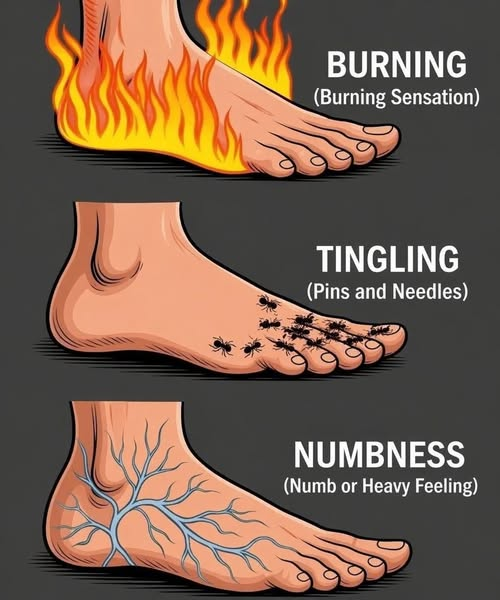
8. Tingling or Numbness in the Hands and Feet
Temporary tingling can occur when pressure is placed on a nerve, such as when you sit in one position for too long.
Repeated or persistent numbness may have other causes, including diabetes, nerve compression, or certain vitamin deficiencies.
When to seek advice: Speak with a healthcare professional if tingling keeps returning, lasts longer than expected, or affects everyday activities. Sudden numbness or weakness—especially on one side of the body—or numbness with difficulty speaking requires emergency care because it may indicate a stroke.
9. Persistent Changes in Bowel Habits
Bowel movements vary from person to person. Changes may result from diet, stress, travel, medication, or infection.
However, a persistent change in bowel habits should not automatically be attributed to food or aging.
When to seek advice: Consult a healthcare professional if changes continue, or if you notice blood in your stool, unexplained weight loss, or ongoing abdominal pain. Heavy bleeding, black tarry stools with weakness, or severe abdominal pain may require urgent care.
10. Frequent Headaches
Headaches can be caused by dehydration, stress, eye strain, sleep disruption, or migraine. Most headaches are not emergencies, but a new or unusual pattern deserves attention.
When to seek advice: Arrange a medical assessment if headaches become frequent, worsen, or interfere with everyday life. A sudden, extremely severe headache or a headache accompanied by weakness, confusion, fever with a stiff neck, or new vision problems requires urgent medical attention.
11. Persistent Changes in Your Skin
Skin changes can occur because of irritation, allergies, infections, sun exposure, or normal aging. New or changing marks sometimes need further assessment.
Pay attention to sores that do not heal, unusual growths, or moles that change in size, shape, or color.
When to seek advice: Have a persistent or changing skin lesion checked by a healthcare professional, particularly if it bleeds, changes rapidly, or does not heal.
How Can You Tell Whether a Symptom Needs Attention?
Consider three important questions:
Is it new or unexplained? A change without an obvious cause may deserve further evaluation.
Is it persistent or getting worse? Symptoms that continue or progress should not be ignored.
Are other symptoms present? Several symptoms occurring together can provide important information for a healthcare professional.
Avoid trying to diagnose yourself from a photograph or a social media checklist. A medical history, physical examination, and sometimes testing are needed to identify the actual cause.
When Should You Seek Emergency Care?
Call your local emergency service if you experience symptoms such as sudden facial drooping, weakness on one side, difficulty speaking, severe breathing problems, chest pain, or a sudden severe headache.
Do not wait for symptoms to disappear before seeking help when a medical emergency is possible.
Final Thoughts
Your body can give you useful clues when something changes, but a single symptom rarely tells the whole story. Unexplained bruising, a persistent white tongue, ongoing fatigue, unusual swelling, and other changes may have several possible causes.
Pay attention to patterns, maintain routine medical and dental care, and seek professional advice when symptoms persist, worsen, or appear alongside other warning signs.
Medical disclaimer: This article is for educational purposes only. It does not diagnose medical conditions or replace personalized medical advice.