7 Warning Signs Your Heart May Be in Trouble — And When to Seek Help
Your heart works continuously to pump blood and deliver oxygen throughout your body. When something affects its ability to function properly, the body may develop warning signs that should not be ignored.
Some symptoms of heart disease develop gradually, while others can appear suddenly and require emergency treatment. Recognizing these signs early can help you seek appropriate medical care.
One important point: no single symptom, including swollen feet, proves that your heart is failing. Symptoms need to be assessed in context, and some heart conditions may have few noticeable warning signs.
1. Shortness of Breath
Feeling unusually breathless during everyday activities, such as walking, climbing stairs, or getting dressed, can sometimes indicate a heart or lung problem.
Shortness of breath that becomes worse when lying flat or wakes you from sleep may be associated with heart failure, a condition in which the heart cannot pump blood as effectively as the body needs.
However, breathlessness can also result from asthma, lung disease, anemia, infections, and other conditions.
What to do: Seek medical assessment if breathlessness is new, persistent, or worsening. Severe or sudden difficulty breathing requires emergency care.
2. Swelling in the Feet, Ankles, or Legs
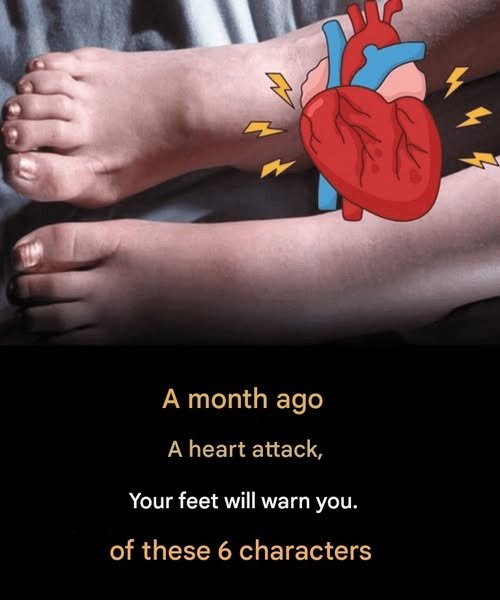
Swelling in the lower legs can occur when fluid accumulates in body tissues. In some people, this is associated with heart failure, particularly when accompanied by breathlessness, fatigue, or rapid weight gain.
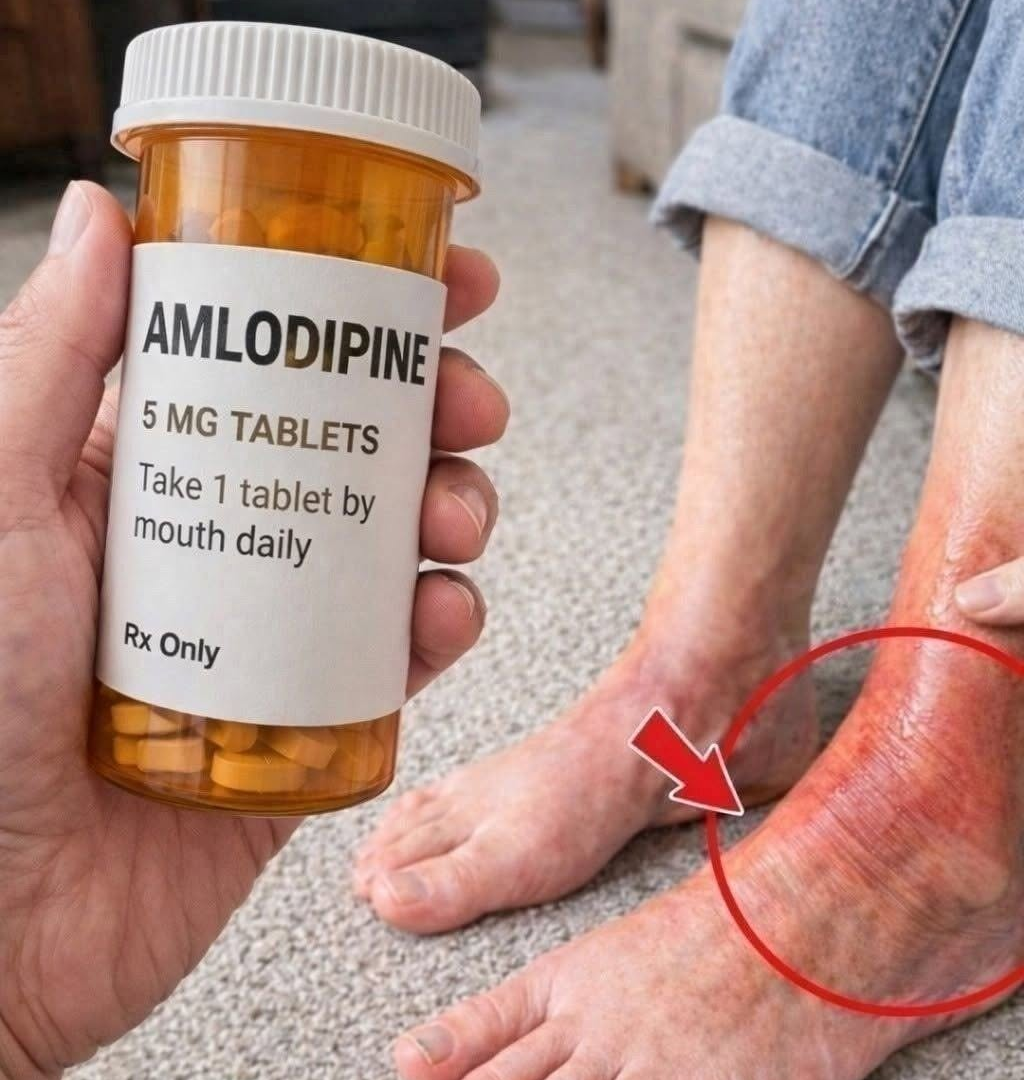
But swollen feet have many possible causes, including prolonged sitting or standing, vein problems, kidney disease, and certain medications.
What to do: Arrange a medical assessment for persistent or unexplained swelling. Sudden swelling in one leg, particularly with pain or redness, also requires urgent evaluation.
3. Chest Pain, Pressure, or Tightness
Chest discomfort is one of the most important warning signs of a possible heart attack.
It may feel like pressure, squeezing, fullness, heaviness, or pain in the center of the chest. The discomfort may last several minutes or disappear and return.
A heart attack can sometimes cause discomfort in the arms, back, neck, jaw, or upper abdomen. Symptoms may be less obvious than expected, particularly in some older adults and people with diabetes.
What to do: If you suspect a heart attack, call your local emergency service immediately. Do not wait for the pain to become severe or drive yourself to the hospital.
4. Unusual Fatigue or Weakness
Feeling tired after a demanding day is normal. However, persistent or unexplained fatigue that makes ordinary activities unusually difficult may deserve medical attention.
Fatigue can occur in heart failure and other cardiovascular conditions, but it is also associated with anemia, thyroid disorders, sleep problems, infections, and many other causes.
What to do: Speak with a healthcare professional if fatigue is new, persistent, or interfering with your normal activities, especially if you also have breathlessness, swelling, or chest discomfort.
5. A Rapid or Irregular Heartbeat
A racing, pounding, fluttering, or irregular heartbeat is often described as a palpitation.
Palpitations may occur because of stress, caffeine, dehydration, or certain medications. They can also be caused by heart rhythm disorders, some of which require treatment.
What to do: Seek medical advice if palpitations recur, last longer than usual, or are accompanied by dizziness. Palpitations with chest pain, severe shortness of breath, or fainting require emergency assessment.
6. Dizziness, Lightheadedness, or Fainting
Feeling faint or suddenly losing consciousness can occur when the brain briefly receives insufficient blood flow. Possible causes include dehydration, low blood pressure, medication effects, and heart rhythm problems.
An unexplained fainting episode, particularly during exercise or alongside palpitations, should not be dismissed.
What to do: Arrange prompt medical evaluation after unexplained fainting. Seek emergency help if dizziness or fainting occurs with chest pain, breathing difficulty, or other severe symptoms.
7. Persistent Cough or Difficulty Breathing When Lying Down
A persistent cough is usually caused by something other than heart disease, such as an infection, asthma, or reflux. However, heart failure can sometimes cause a cough or wheezing when fluid builds up in the lungs.
Some people find they need extra pillows to breathe comfortably at night or wake up suddenly feeling short of breath.
What to do: Seek medical advice for a persistent cough accompanied by swelling, unexplained fatigue, or breathlessness when lying down. Severe breathing difficulty or coughing up pink, frothy mucus requires emergency medical attention.
Emergency Warning Signs You Must Never Ignore
Call your local emergency service immediately if you or someone nearby experiences:
Chest pressure, squeezing, or pain that may indicate a heart attack.
Sudden or severe difficulty breathing.
Chest discomfort accompanied by sweating, nausea, or lightheadedness.
Fainting with chest pain or palpitations.
Sudden collapse or unresponsiveness.
Do not wait for every symptom to appear. Heart attacks can present differently from person to person, and rapid treatment can save heart muscle and lives.
How Can You Help Protect Your Heart?
Although not every heart condition can be prevented, several habits can reduce cardiovascular risk.
Keep Blood Pressure Under Control
High blood pressure often causes no obvious symptoms, but over time it can damage blood vessels and place extra strain on the heart. Check your blood pressure as recommended and follow your treatment plan if you have hypertension.
Monitor Cholesterol and Blood Sugar
High LDL cholesterol can contribute to plaque buildup in arteries, while diabetes increases the risk of cardiovascular disease. Regular checkups can help identify problems and guide treatment.
Stay Physically Active
Regular physical activity supports heart health, helps manage blood pressure, and improves overall fitness. Choose activities suited to your abilities and medical condition.
Eat a Balanced Diet
Eat a variety of vegetables, fruits, whole grains, legumes, and appropriate sources of protein. Limit excessive salt, added sugar, and foods high in saturated fat.
Avoid Smoking
Smoking damages blood vessels and increases cardiovascular risk. Stopping smoking is one of the most beneficial steps you can take for your heart.
Take Prescribed Medication Correctly
If you take medication for blood pressure, cholesterol, diabetes, or heart disease, follow your prescribed plan. Do not stop or change treatment without consulting your healthcare professional.
Frequently Asked Questions
Are swollen feet always a sign of heart disease?
No. Swelling can be caused by vein problems, kidney conditions, medications, prolonged sitting, and other factors. Persistent or unexplained swelling should be evaluated, especially when accompanied by breathlessness or rapid weight gain.
Can heart problems develop without chest pain?
Yes. Some people experience breathlessness, unusual fatigue, nausea, dizziness, or discomfort in the back, jaw, or arms. Symptoms vary, so concerning new symptoms should be assessed promptly.
Does heart failure mean the heart is about to stop?
No. Heart failure means the heart cannot pump blood as effectively as the body needs. It is a serious condition, but treatments can often help manage symptoms and improve quality of life.
How can I know whether my heart is healthy?
There is no single symptom or home test that can guarantee heart health. A healthcare professional can assess your risk factors, blood pressure, symptoms, medical history, and whether tests such as an electrocardiogram or blood tests are appropriate.
Final Thoughts
Your body may provide clues when something is wrong, but symptoms alone cannot confirm a heart condition. Shortness of breath, chest discomfort, unexplained fatigue, palpitations, and persistent swelling deserve attention when they are new or worsening.
Do not wait for a social media checklist to tell you whether a symptom is serious. If you suspect a heart attack or experience severe breathing difficulty, seek emergency care immediately.
Medical disclaimer: This article is for educational purposes only and does not replace professional medical advice, diagnosis, or treatment.