Can Placing Ice on the Back of Your Neck Improve Your Health? What You Should Know
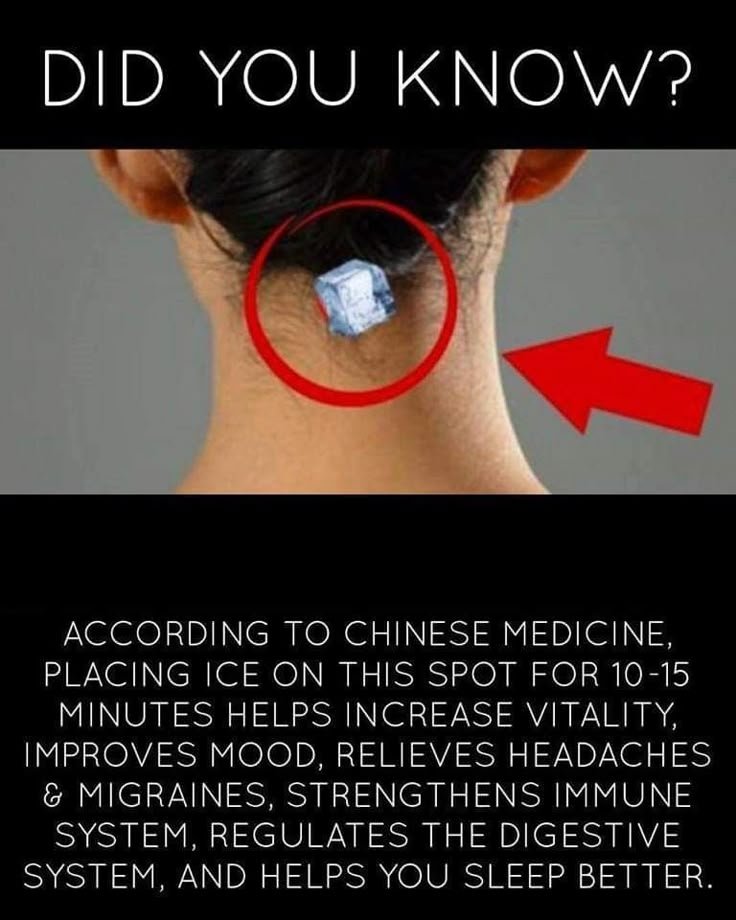
Have you ever seen a wellness tip suggesting that placing an ice cube on the back of your neck for 10–15 minutes can improve your mood, relieve headaches, support digestion, and help you sleep better?
This idea is often shared online and associated with a traditional Chinese medicine acupressure point known as Feng Fu. While cold therapy may offer relief for certain types of pain, many of the broader health claims circulating on social media have not been scientifically established.
Understanding the difference between traditional wellness practices and evidence-based treatments can help you make safer decisions about your health.
What Is the Feng Fu Point?
In traditional Chinese medicine, Feng Fu is an acupuncture point located near the base of the skull, where the head meets the neck.
Practitioners of traditional Chinese medicine may use this area in acupuncture or other traditional therapies. Some online wellness posts suggest placing ice over this point to stimulate the body and improve overall well-being.
However, the claim that applying ice to this specific location can strengthen the immune system, regulate digestion, or improve sleep has not been established by strong clinical evidence.
It is important to distinguish traditional beliefs from benefits demonstrated through scientific research.
Can Ice on the Neck Help Relieve Headaches?
Cold therapy can sometimes provide temporary relief from headaches, including migraines.
A cold compress placed on the forehead or behind the neck may help some people feel more comfortable during a headache. Research has also investigated cold-based interventions for migraine pain, although the quality and certainty of the evidence vary.
The potential benefit comes from the cooling effect itself, not from proof that a particular point at the base of the skull provides multiple health benefits.
If you experience frequent, severe, or unusual headaches, consult a healthcare professional to identify the cause.
Does This Technique Improve Mood or Reduce Stress?
Cold sensations can affect how the body feels, but there is insufficient evidence that placing ice on the Feng Fu point reliably improves mood or treats anxiety.
If your goal is to relax, other approaches may be more appropriate, including:
Practicing gentle, controlled breathing.
Taking a short walk outdoors.
Maintaining a consistent sleep schedule.
Trying mindfulness or relaxation exercises.
Talking with someone you trust when you feel overwhelmed.
These strategies can support general well-being without relying on unverified claims about a specific pressure point.
Can Ice on the Neck Strengthen the Immune System?
There is no strong clinical evidence that applying an ice cube to the base of the skull strengthens the immune system or prevents infections.
Your immune system depends on many factors, including adequate nutrition, sleep, physical activity, vaccinations, and appropriate medical care.
Cold therapy may have specific uses for pain or swelling, but it should not be considered a substitute for these established health measures.
Does It Help With Digestion and Sleep?
Some online posts claim that stimulating the Feng Fu point can regulate digestion and improve sleep quality. These claims have not been adequately demonstrated through high-quality clinical studies of ice application at this location.
For better sleep, consider maintaining regular bedtimes, limiting caffeine later in the day, and creating a quiet, comfortable sleeping environment.
For ongoing digestive problems, seek medical advice rather than relying on ice application.
How to Use Cold Therapy More Safely
Cold compresses may be useful for temporary relief from certain headaches or muscular discomfort. However, using ice directly against the skin can cause cold injury.
If you want to try a cold compress for general comfort, follow these precautions:
Use a cold pack instead of a bare ice cube. Wrap it in a thin, damp towel to protect your skin.
Keep the application brief. Start with approximately five to ten minutes, and follow the guidance of a healthcare professional when treating a specific condition.
Check your skin regularly. Remove the pack immediately if you notice burning, significant discomfort, unusual numbness, or changes in skin color.
Avoid applying ice to injured or damaged skin. Do not use cold therapy on areas with reduced sensation or poor circulation without professional guidance.
Never fall asleep with an ice pack in place. Prolonged exposure can damage the skin.
Because the back of the neck is a sensitive area, avoid prolonged or intense icing there. There is no established need to keep ice on the Feng Fu point for 10–15 minutes to obtain the claimed benefits.
Who Should Be Careful With Ice Therapy?
Cold therapy is not suitable for everyone. People with circulation problems, reduced skin sensation, nerve damage, or unusual sensitivity to cold should seek professional guidance before using it.
Stop immediately if the area becomes painful, excessively numb, or discolored.
If you experience a sudden, extremely severe headache, weakness, confusion, fainting, or other concerning symptoms, seek urgent medical attention instead of trying a home remedy.
Frequently Asked Questions
Where is the Feng Fu point located?
It is traditionally described as an area near the base of the skull, where the head meets the neck.
Can putting ice there cure migraines?
No. Cold compresses may provide temporary relief for some people with migraines, but ice on the Feng Fu point is not an established cure or a replacement for appropriate migraine treatment.
Does the technique boost immunity?
There is insufficient scientific evidence to support this claim.
Should I apply ice directly to my skin?
No. Wrap the cold pack in a thin towel to reduce the risk of cold injury.
Can I try this technique every day?
There is no scientifically established daily routine for applying ice to this point for the claimed benefits. If you are considering regular cold therapy, particularly on the neck, discuss it with a healthcare professional.
Final Thoughts
Placing ice on the back of the neck is a popular wellness tip associated with traditional Chinese medicine. Although cold compresses can sometimes help relieve headache discomfort, the broader claims about immunity, digestion, mood, and sleep remain unproven.
The safest approach is to use cold therapy cautiously for appropriate purposes, avoid applying ice directly to the skin, and seek medical advice when symptoms persist.
Remember: A wellness tip shared widely online is not necessarily a scientifically proven treatment. Always prioritize reliable health information and your personal safety.
Disclaimer: This article is for educational purposes only and does not replace professional medical advice, diagnosis, or treatment.