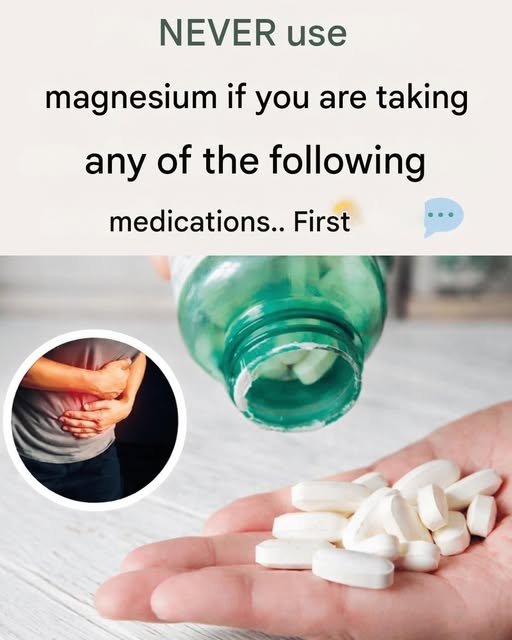
Never Use Magnesium With These Medications? What You Actually Need to Know
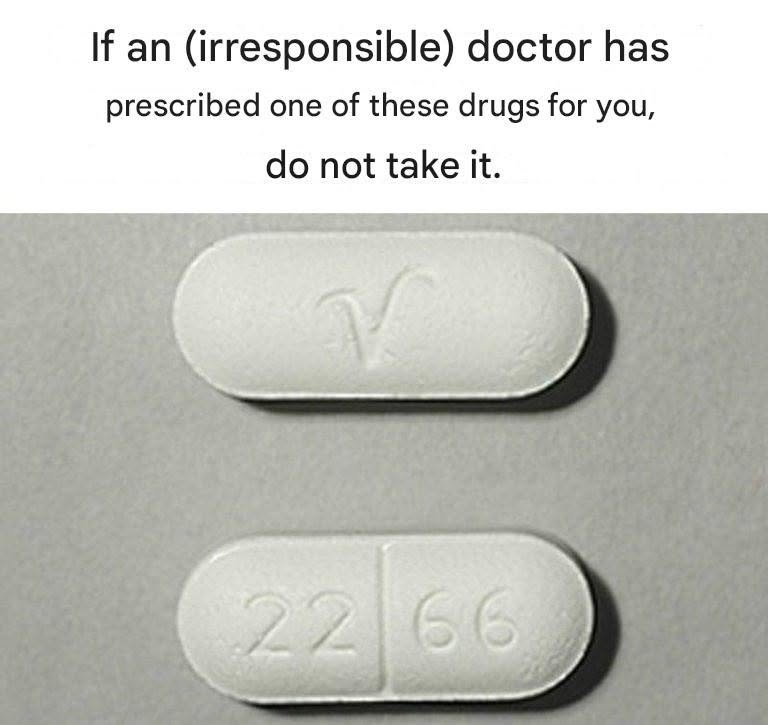
A viral post warning people to “NEVER use magnesium” if they take certain medications is too broad. Magnesium supplements can interact with some medicines, but that does not mean everyone taking those medications must completely avoid magnesium. In many cases, the issue can be managed by separating the doses or having a healthcare professional adjust the regimen. Bureau des Suppléments Alimentaires
Why Can Magnesium Interact With Medicines?
Magnesium can bind to certain medications in the digestive tract and reduce how much of the medicine is absorbed. Other medications can affect magnesium levels in the body.
This is particularly important when magnesium is taken as a supplement, antacid, or laxative, rather than simply consuming magnesium naturally from foods. Bureau des Suppléments Alimentaires
1. Certain Antibiotics
Magnesium can interfere with the absorption of some antibiotics, particularly:
Doxycycline and other tetracyclines
Ciprofloxacin
Levofloxacin
Other quinolone antibiotics
The NIH recommends taking these antibiotics at an appropriate interval from magnesium. For example, certain antibiotics should be taken at least 2 hours before or 4–6 hours after a magnesium supplement. The exact timing can depend on the specific medication, so check the medication instructions or ask a pharmacist. Bureau des Suppléments Alimentaires
Don’t stop an antibiotic because you’re taking magnesium. Ask your pharmacist how to space the doses.
2. Oral Bisphosphonates
Magnesium can reduce absorption of oral bisphosphonates such as alendronate, medicines commonly used for osteoporosis.
The NIH recommends separating magnesium-containing supplements or medicines from oral bisphosphonates by at least 2 hours to minimize the interaction. Bureau des Suppléments Alimentaires
3. Some Diuretics
Diuretics (“water pills”) can affect magnesium levels.
Loop diuretics such as furosemide and thiazide diuretics such as hydrochlorothiazide can increase magnesium loss through urine. Other diuretics, including potassium-sparing drugs such as amiloride and spironolactone, can have a different effect. Bureau des Suppléments Alimentaires
This doesn’t mean you should automatically take magnesium—or stop taking your medication. Your healthcare professional can determine whether your magnesium level needs to be monitored.
4. Long-Term Acid-Reducing Medicines
Some proton-pump inhibitors (PPIs), including medicines such as omeprazole, esomeprazole, and lansoprazole, can cause low magnesium levels when used for a prolonged period.
In some cases, magnesium supplementation can correct the deficiency. However, the NIH notes that supplementation did not correct low magnesium in every case reviewed by the FDA, and some patients required discontinuation of the PPI under medical supervision. Bureau des Suppléments Alimentaires
What About Thyroid Medication?
Magnesium can also interfere with the absorption of some medicines, so people taking medications such as levothyroxine should check the medication instructions and ask a pharmacist about appropriate spacing.
Levothyroxine itself is generally taken on an empty stomach, 30–60 minutes before breakfast and other medicines. nhs.uk
Is Magnesium Dangerous?
Magnesium is an essential mineral involved in muscle and nerve function, blood glucose regulation, blood pressure, bone health, and normal heart rhythm. Bureau des Suppléments Alimentaires
For healthy people, magnesium obtained naturally from food is generally not a concern.
The bigger issue is high doses from supplements or magnesium-containing medicines. Excessive supplemental magnesium can cause:
Diarrhea
Nausea
Abdominal cramping
Extremely high amounts can cause dangerously low blood pressure, difficulty breathing, abnormal heart rhythms, and cardiac arrest. The risk is greater in people with impaired kidney function because the kidneys normally remove excess magnesium. Bureau des Suppléments Alimentaires
How Much Supplemental Magnesium Is Too Much?
For adults, the U.S. NIH lists 350 mg per day as the upper limit for magnesium from dietary supplements and medications, unless a healthcare professional recommends otherwise. This limit does not include magnesium naturally present in food. Bureau des Suppléments Alimentaires
Magnesium found naturally in foods such as nuts, seeds, beans, whole grains, and leafy green vegetables is generally considered safe for healthy people. Bureau des Suppléments Alimentaires
Who Should Be Especially Careful?
Talk with a doctor or pharmacist before taking a magnesium supplement if you:
Have kidney disease
Take several prescription medications
Take antibiotics
Take osteoporosis medication
Take diuretics
Take long-term acid-reducing medication
Take thyroid medication
Already use magnesium-containing antacids or laxatives
And remember that supplements aren’t automatically safer simply because they’re labeled “natural.”
The Bottom Line
The viral warning “NEVER use magnesium if you’re taking these medications” is misleading.
Magnesium can interact with certain medicines, particularly some antibiotics and osteoporosis medications, but the solution is often proper timing, monitoring, or individualized medical advice—not automatically avoiding magnesium altogether. Bureau des Suppléments Alimentaires
If you’re taking prescription medication and considering a magnesium supplement, give your pharmacist or doctor the exact name and dose of your medication and the magnesium product. They can tell you whether you need to separate the doses or avoid the supplement.
This article is for general educational purposes and does not replace advice from a doctor or pharmacist. Never stop a prescribed medication without medical guidance.