Burning, Numbness, and Tingling in the Feet: What Could It Mean?
A burning sensation, pins-and-needles feeling, or numbness in the feet can be uncomfortable—and sometimes it is a sign that the nerves aren’t functioning normally.
These symptoms are often associated with peripheral neuropathy, a condition involving damage or irritation of nerves outside the brain and spinal cord. However, neuropathy is only one possible explanation, and the symptoms should not automatically be attributed to diabetes. Mayo Clinic
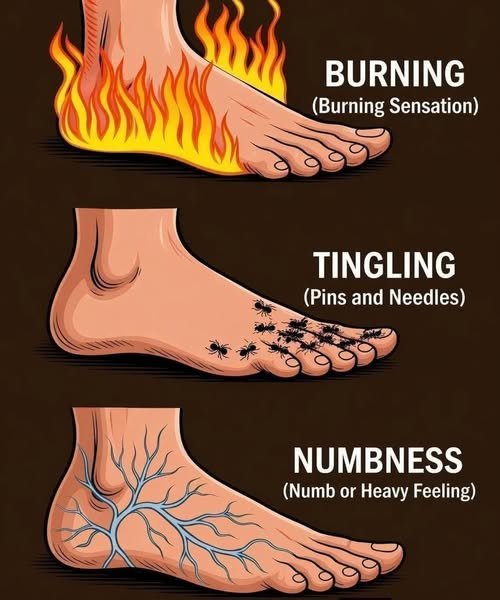
What Do These Symptoms Feel Like?
People may describe nerve-related symptoms as:
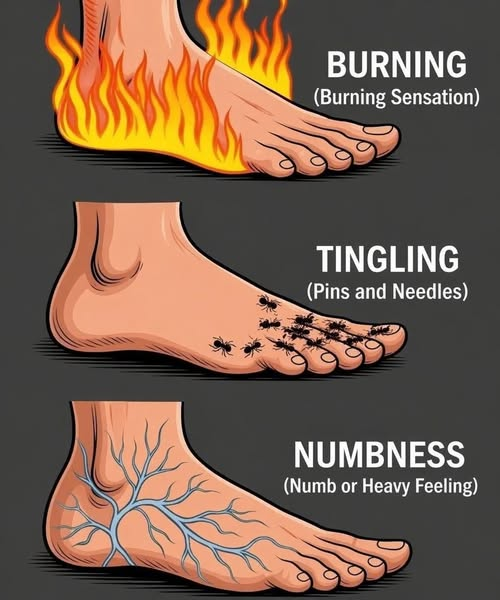
Burning or hot sensations
Pins and needles
Tingling
Numbness or reduced sensation
Sharp, shooting, or stabbing pain
Increased sensitivity to touch
Feeling as though you’re wearing socks when you’re not
Symptoms can develop gradually and may affect both feet, particularly when the problem involves peripheral nerves.
Could Diabetes Be the Cause?
Yes, diabetes is one of the most common causes of peripheral neuropathy.
Over time, high blood sugar can damage nerves and the small blood vessels that supply them. Diabetic peripheral neuropathy often begins in the feet and may cause burning, tingling, numbness, or pain. Symptoms can be worse at night. Mayo Clinic
But having burning or tingling feet does not mean you necessarily have diabetes.
Other Possible Causes
Peripheral neuropathy can have many causes, including:
Vitamin deficiencies, particularly certain B vitamins
Kidney or liver disease
Underactive thyroid
Alcohol-related nerve damage
Certain infections
Autoimmune conditions
Some medications, including certain chemotherapy drugs
Nerve compression or injury
Exposure to certain toxins
Sometimes, despite medical evaluation, no specific cause is identified. Mayo Clinic
Why Numbness Can Be Particularly Important
Pain can be the body’s warning system. When sensation is reduced, you may not notice a blister, cut, burn, or other injury to your foot.
This is particularly important for people with diabetes. The CDC recommends checking your feet regularly because nerve damage can make injuries difficult to feel and allow small problems to become more serious. CDC
Check Your Feet Regularly
Look for:
Cuts or blisters
Redness
Swelling
Cracked skin
Sores that aren’t healing
Changes in color or temperature
Avoid walking barefoot if you have reduced sensation in your feet.
When Should You See a Doctor?
Persistent or unexplained burning, tingling, or numbness deserves medical evaluation. Early assessment can help identify a treatable underlying cause and may help prevent further nerve damage. Mayo Clinic
See a healthcare professional particularly if symptoms are accompanied by:
Muscle weakness
Problems with balance or walking
Loss of sensation
A foot wound that isn’t healing
Increasing or severe pain
Symptoms that are interfering with sleep or daily activities Mayo Clinic
If numbness or weakness develops suddenly, especially on one side of the body or together with other sudden neurological symptoms, seek urgent medical attention.
What Will a Doctor Check?
The evaluation depends on your symptoms and medical history. A healthcare professional may examine sensation, reflexes, strength, and circulation and may order blood tests to look for possible causes.
If diabetes is suspected, blood-glucose testing may be appropriate. Other testing can be considered depending on the suspected cause.
Can You Prevent Nerve Problems?
Not every form of neuropathy can be prevented. But some causes can be addressed.
For people with diabetes, maintaining blood glucose within the recommended range and taking good care of the feet can reduce the risk of complications. Mayo Clinic
A balanced diet, regular physical activity, avoiding smoking, limiting excessive alcohol use, and managing conditions such as diabetes and thyroid disease can also support overall nerve and vascular health.
The Bottom Line
Burning, tingling, and numbness in the feet shouldn’t automatically be dismissed as a normal part of aging. They can be symptoms of peripheral neuropathy, with diabetes being one common cause, but there are many other possible explanations. Mayo Clinic
If these sensations are persistent, worsening, or accompanied by weakness or foot sores, getting evaluated is important. Finding the underlying cause is the best way to determine what treatment, if any, is needed.
This article is for general educational purposes and is not a diagnosis or substitute for personalized medical advice.