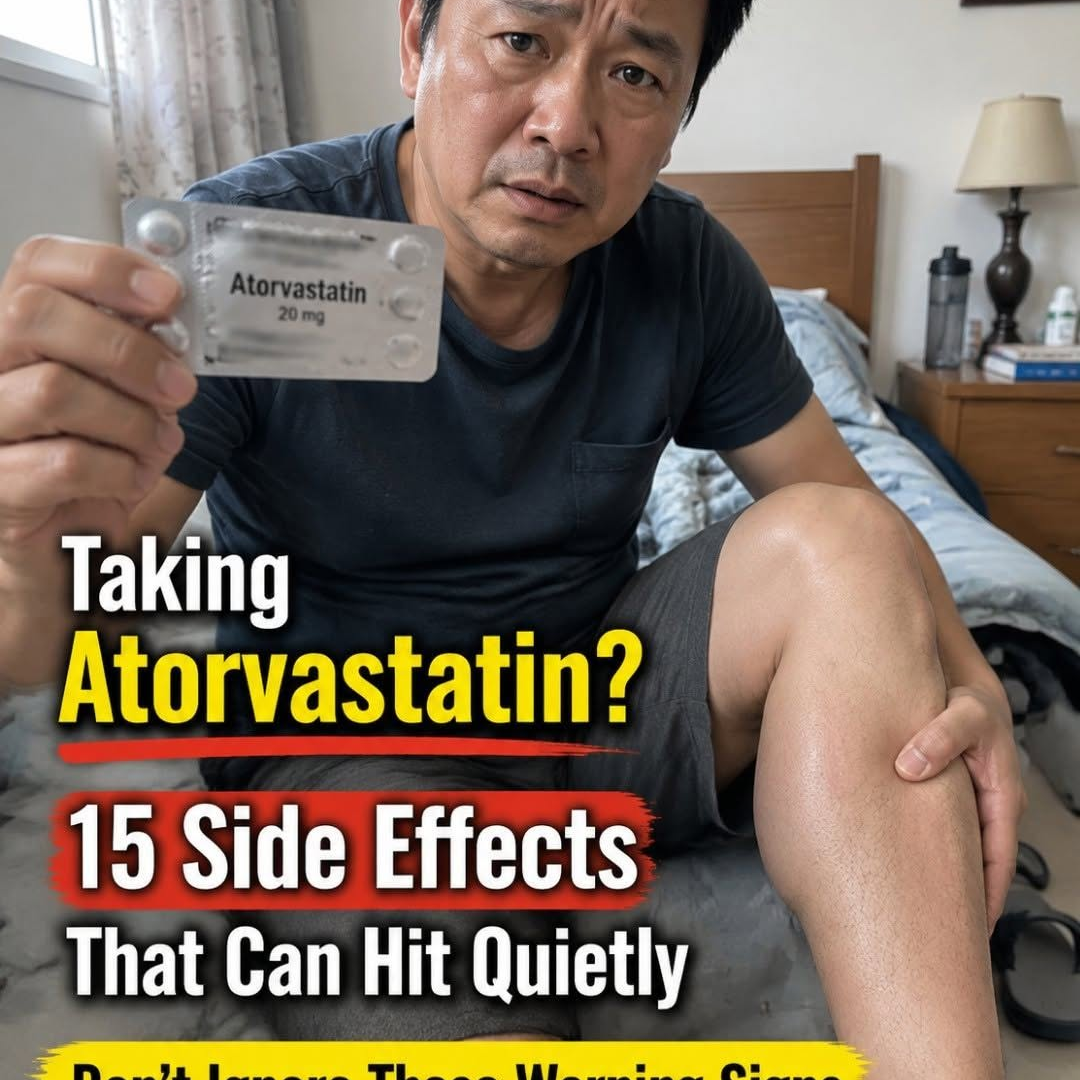
If You Often Get Leg Cramps at Night, Your Body May Be Telling You Something
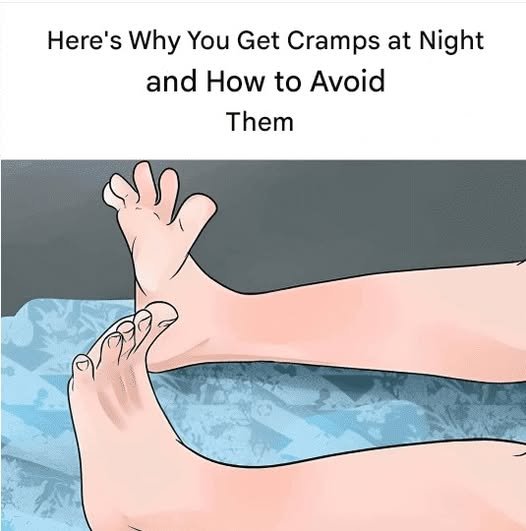
Waking up suddenly with a painful leg cramp can be startling. The muscle may become hard and tightly contracted, often in the calf, foot, or thigh, making it difficult to move until the spasm passes.
The good news is that nighttime leg cramps are common and are usually not a sign of a serious disease. However, frequent or persistent cramps can sometimes be associated with medications, dehydration, muscle fatigue, nerve problems, circulation issues, or certain medical conditions. Mayo Clinic
What Are Night Leg Cramps?
Nocturnal leg cramps are sudden, involuntary contractions of the muscles that occur during sleep or while resting. They most commonly affect the calf, although the feet and thighs can also be involved.
A cramp may last from several seconds to several minutes, and the affected muscle can remain sore afterward. Mayo Clinic
Why Do They Happen?
Sometimes there is no clear cause. Researchers believe muscle fatigue and changes in nerve function may contribute to nighttime cramps.
Other factors that may be associated with cramps include:
Dehydration
Muscle fatigue or strenuous activity
Long periods of sitting or inactivity
Pregnancy
Getting older
Certain medications, including some diuretics and cholesterol or blood-pressure medicines
Importantly, having a nighttime leg cramp does not automatically mean you have a vitamin or mineral deficiency. Although electrolyte problems can cause muscle cramps in some circumstances, most ordinary nocturnal leg cramps do not have a single identifiable cause. AAFP
What Should You Do When a Cramp Starts?
When a painful cramp wakes you up, try:
1. Gently Stretch the Muscle
For a calf cramp, straighten the leg and gently pull your toes toward your face. Avoid bouncing or forcing the stretch.
2. Massage the Area
Gently rubbing the cramped muscle may help it relax.
3. Stand and Walk
If it is safe to do so, standing and putting some weight on the affected leg may help relieve the contraction. Mayo Clinic
4. Try Warmth
A warm shower or bath can be soothing after a cramp.
How Can You Reduce Nighttime Cramps?
Regular calf stretching may help some people. Mayo Clinic also suggests maintaining adequate fluid intake and trying gentle activity, such as a few minutes on a stationary bicycle before bed. Mayo Clinic
If you exercise heavily or sweat significantly, paying attention to hydration is particularly important.
However, don’t automatically start taking magnesium, potassium, calcium, or other supplements simply because you experience cramps. Evidence for routine supplementation is mixed, and the appropriate treatment depends on the individual cause. AAFP
When Should You Talk to a Doctor?
Occasional cramps are generally not a reason for concern. But you should speak with a healthcare professional if cramps:
Happen frequently or repeatedly wake you
Are interfering with your sleep
Last longer than about 10 minutes
Occur with leg swelling, numbness, or skin changes
A clinician can review your symptoms, medications, activity level, and medical history to determine whether further evaluation is appropriate.
Don’t Confuse Leg Cramps With Restless Legs Syndrome
These conditions can feel similar but are different.
Nighttime leg cramps usually involve a sudden, painful tightening of a muscle.
Restless legs syndrome, on the other hand, typically causes an uncomfortable urge to move the legs, especially when resting or trying to sleep, and isn’t characterized by the same sudden muscle contraction. Mayo Clinic
The Bottom Line
Nighttime leg cramps can be painful and disruptive, but they are usually harmless and often have no identifiable cause. Simple measures such as gentle stretching, massage, appropriate hydration, and regular physical activity may help.
If your cramps are frequent, severe, or accompanied by swelling, numbness, weakness, or other unusual symptoms, it’s worth discussing them with a healthcare professional rather than assuming they are simply caused by dehydration or a mineral deficiency.
This article is for general educational purposes and is not a substitute for individualized medical advice.